609 (Halloween)
Have you ever wondered about the origins of Halloween and its connection to the Christian church? This article explores the history of All Saints' Day and its fascinating relationship with ancient pagan festivals, shedding light on how these distinct traditions became intertwined over the centuries.
Origins of All Saints' Day
The tradition of honoring all Christian saints began in the early 7th century. In 609, Pope Boniface IV dedicated the Pantheon in Rome as a church in honor of the Blessed Virgin and all martyrs. He originally called this observance the "Feast of All Holy Martyrs," establishing it on May 13.
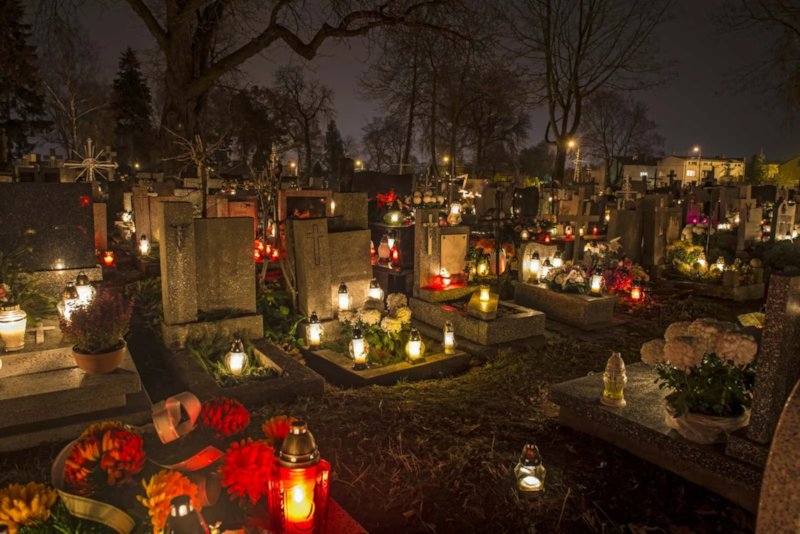
However, it was Pope Gregory III who, in 731, moved the observance to November 1. He instituted "All Saints' Day" on this date when he dedicated a chapel in St. Peter's Basilica to commemorate all the saints of the church who have attained heaven. This decision played a key role in the widespread adoption of November 1st for the celebration.
Connection to Halloween
The evening before All Saint's Day, October 31, became known as "All Hallows' Eve," which over time was shortened to "Halloween." This date coincided with the pagan Celtic festival of Samhain, a significant pre-Christian observance.
The Celts believed that on Samhain, the boundary between the world of the living and the world of the dead thinned, allowing spirits to roam the earth. To mark this occasion, they would light bonfires, wear costumes, and make offerings to the dead. Protecting themselves from potentially malevolent spirits was also a concern, leading to the use of masks and torches. The establishment of All Saints' Day on November 1 placed a major Christian holiday adjacent to this ancient pagan festival, leading to a blending of customs and traditions over time.
Conclusion
In summary, All Saints' Day is a Christian feast with deep historical roots, formally established on November 1 by Pope Gregory III to honor all saints. Its timing created an overlap with the ancient Celtic festival of Samhain, leading to the development of Halloween as a cultural observance that blends both Christian and pagan traditions.